
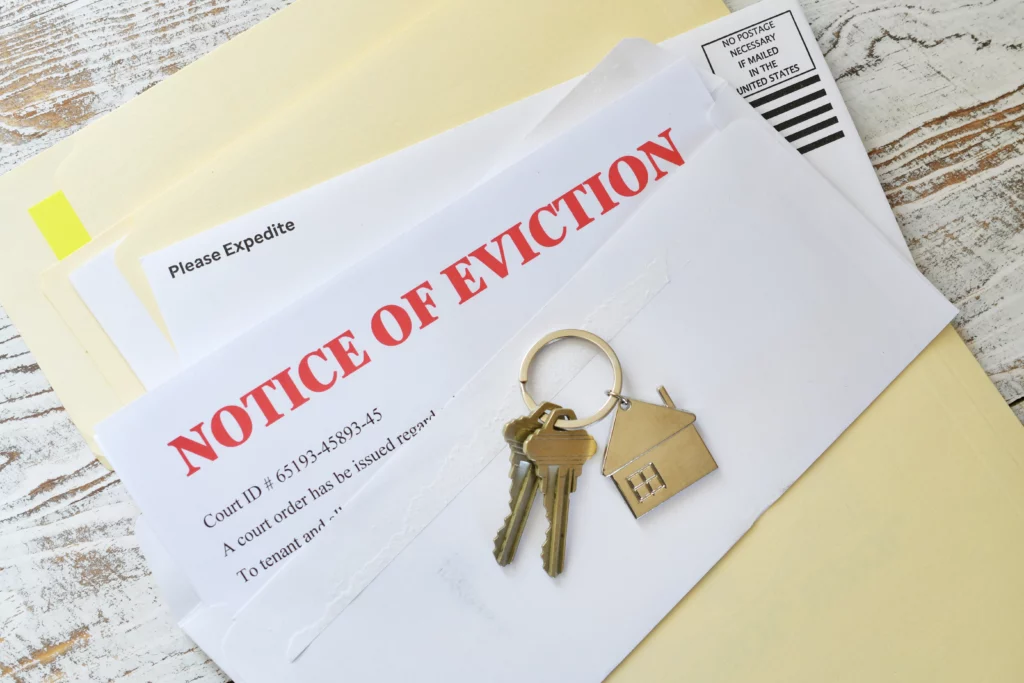
The Golden State’s rental landscape is as diverse as its geography—from coastal apartments to suburban homes and urban high-rises. With over 17 million Californians living in rental housing, tensions between property owners and tenants are virtually inevitable. When landlord-tenant relationships sour, both parties often find themselves in unfamiliar legal territory, wondering about their rights and responsibilities.
At Steven Adair MacDonald & Partners, P.C., we’ve witnessed firsthand how rental disputes can quickly escalate when parties aren’t familiar with California’s robust tenant protection laws. This guide breaks down the most common disputes, relevant California laws, and practical steps for resolution.
Common Types of Landlord-Tenant Disputes in California
Lease Violations
Lease agreements form the contractual foundation of the landlord-tenant relationship. Common violations include:
- Unauthorized occupants or pets
- Improper property use (such as running a business in a residential unit)
- Noise complaints and neighbor disturbances
- Property damage beyond normal wear and tear
- Late or unpaid rent
California courts generally enforce written lease terms, provided they don’t conflict with state law. For example, a lease clause waiving a tenant’s right to a habitable dwelling would be unenforceable under Civil Code § 1942.
Security Deposit Disputes
Perhaps no issue generates more friction than disagreements over security deposit returns. California Civil Code § 1950.5 sets strict guidelines:
- Security deposits cannot exceed two months’ rent for unfurnished units or three months’ rent for furnished units
- Landlords must perform a move-out inspection if requested by the tenant
- Itemized deductions must be provided within 21 days of move-out
- Improper withholding can result in penalties up to twice the deposit amount
The burden of proving deductions are reasonable falls on the landlord, making proper documentation essential.
Habitability Issues
California law establishes an implied warranty of habitability in every residential lease. Under Civil Code § 1941.1, rental units must include:
- Effective waterproofing/weather protection
- Plumbing and gas facilities in good working order
- Hot and cold running water
- Heating facilities in good working condition
- Electrical lighting and wiring maintained in good working order
- Clean and sanitary buildings and grounds
- Adequate trash receptacles
- Floors, stairways, and railings in good repair
When these standards aren’t met, tenants may have legal remedies including rent withholding or “repair and deduct” options under Civil Code § 1942.
Rent Increases and Rent Control
California’s rental landscape includes both locally controlled rent stabilization ordinances and statewide protections under the Tenant Protection Act (AB 1482). This creates a patchwork of rules that vary by location:
- Local rent control in cities like San Francisco, Los Angeles, and Berkeley may cap annual increases at percentages tied to inflation
- The statewide Tenant Protection Act limits annual increases to 5% plus inflation (capped at 10%) for properties over 15 years old
- Proper notice periods range from 30 to 90 days depending on the increase amount
- Some properties are exempt based on age, ownership structure, or property type
Disputes often arise when landlords fail to follow notification requirements or attempt increases beyond legal limits.
Privacy and Entry Issues
A tenant’s right to privacy often conflicts with a landlord’s need to access the property. California Civil Code § 1954 balances these interests by requiring:
- 24 hours’ written notice before entry (except in emergencies)
- Entry only during normal business hours
- Specific reasons for entry (repairs, showing to prospective tenants, etc.)
Violations of these provisions can constitute harassment under Civil Code § 1940.2.
Discrimination Claims
The California Fair Employment and Housing Act (FEHA) prohibits discrimination based on:
- Race, color, or national origin
- Religion
- Sex, gender, gender identity, or sexual orientation
- Familial status
- Source of income (including housing vouchers)
- Disability or medical condition
- Age
- Immigration status
Disputes arise when tenants face different treatment, denial of housing, or eviction based on protected characteristics.
Eviction Proceedings
Evictions (legally termed “unlawful detainer” actions) represent the most serious disputes. California law provides specific procedures under Code of Civil Procedure §§ 1159-1179a:
- Valid reasons for eviction include nonpayment of rent, lease violations, and certain no-fault reasons
- Proper notice periods vary from 3 to 90 days depending on the reason
- Court proceedings follow specific timelines and requirements
- Tenants have various potential defenses including retaliation, discrimination, and habitability issues
The COVID-19 pandemic introduced additional protections, some of which have sunset while others remain in effect in certain jurisdictions.
Security Deposit Disputes: A Closer Look
Security deposit disagreements consistently rank among the most common landlord-tenant disputes in California courts.
Legal Limits and Requirements
California Civil Code § 1950.5 governs security deposits with clear parameters:
- Maximum amounts are capped based on whether the unit is furnished or unfurnished
- Deposits can only be used for specific purposes:
- Unpaid rent
- Repairing damage beyond ordinary wear and tear
- Cleaning to restore the unit to pre-occupancy condition
- Replacing or restoring personal property (if authorized in lease)
Documentation Requirements
Both parties benefit from thorough documentation:
- Initial move-in inspections should be documented with photos and a written inventory
- Tenants should request an initial inspection before moving out to identify potential deductions
- Final inspection reports should detail any deductions with substantiating evidence
Common Violations and Remedies
When landlords improperly handle security deposits, tenants may pursue:
- Small claims actions for amounts up to $10,000
- Penalties of up to twice the deposit amount for bad-faith violations
- Actual damages plus court costs and attorney fees
Landlords can protect themselves by maintaining detailed records, providing proper notices, and following statutory timelines.
Habitability and Repairs: Responsibilities and Rights
California places significant maintenance obligations on landlords while giving tenants specific remedies when problems arise.
Requesting Repairs
The process for addressing habitability issues typically follows these steps:
- Tenant notifies landlord in writing of the needed repair
- Landlord has “reasonable time” to make the repair (usually 30 days, but less for urgent issues)
- If repairs aren’t completed, tenant may pursue legal remedies
Tenant Remedies
When habitability issues persist, California Civil Code § 1942 provides several options:
- Repair and Deduct: Tenants can repair problems themselves and deduct the cost from rent (limited to one month’s rent)
- Rent Withholding: In serious cases, tenants may withhold rent until repairs are completed
- Abandonment: When conditions render the unit uninhabitable, tenants may terminate the lease
- Lawsuit for Damages: Tenants may sue for reduced rental value, emotional distress, or other damages
These remedies require proper documentation and procedure to avoid potential eviction for nonpayment.
The California Eviction Process
Unlawful detainer actions follow strict procedural requirements:
Notice Requirements
The eviction process begins with proper notice:
- 3-day notice to pay rent or quit (for nonpayment)
- 3-day notice to cure or quit (for lease violations)
- 30 or 60-day notice for month-to-month terminations (in non-rent-controlled areas)
- Longer notice periods for certain protected tenants
The notice must comply with specific content and delivery requirements under California law.
Court Proceedings
If the tenant doesn’t comply with the notice:
- Landlord files an unlawful detainer complaint
- Tenant has 5 court days to respond with an answer
- Trial is scheduled (typically within 20 days)
- If the landlord prevails, a sheriff’s lockout may be scheduled
Common Defenses
Tenants may challenge evictions based on:
- Procedural defects in the notice or filing
- Retaliatory actions by the landlord
- Discrimination claims
- Habitability issues as an affirmative defense
- Rent control violations
- Reasonable accommodation requirements not met
Rent Control and the Tenant Protection Act
California’s approach to rent regulation operates on two levels:
Local Rent Control
Cities with rent control ordinances include:
- Los Angeles (RSO)
- San Francisco (Rent Ordinance)
- Berkeley (Rent Stabilization)
- Santa Monica (Rent Control)
- Oakland (Rent Adjustment Program)
Each has specific regulations regarding allowable increases, registration requirements, and just-cause eviction provisions.
Statewide Protections (AB 1482)
The California Tenant Protection Act, effective January 1, 2020:
- Caps annual rent increases at 5% plus inflation (not to exceed 10%)
- Applies to most properties over 15 years old
- Requires “just cause” for evictions after 12 months of tenancy
- Mandates relocation assistance for no-fault evictions
Properties exempt from AB 1482 include:
- Single-family homes (with exceptions)
- Newer buildings (less than 15 years old)
- Owner-occupied duplexes
- Certain affordable housing units
Alternative Dispute Resolution
Not all landlord-tenant disputes need to end in court. Alternative resolution options include:
Mediation Services
Many California counties offer landlord-tenant mediation through:
- Dispute Resolution Centers
- Housing Rights Centers
- Legal Aid organizations
Mediation allows parties to craft solutions that meet both parties’ needs while avoiding costly litigation.
Housing Agencies
Resources for dispute resolution include:
- California Department of Fair Employment and Housing for discrimination claims
- Local housing departments for code enforcement issues
- Rent control boards for rent increase and eviction disputes in applicable jurisdictions
When Litigation Makes Sense
While alternative resolution methods have advantages, some disputes require court intervention, particularly when:
- Significant monetary damages are at stake
- Egregious violations of law have occurred
- Previous resolution attempts have failed
- Time-sensitive matters require immediate action
Key Takeaways
- California provides substantial protections for both landlords and tenants, but these rights come with corresponding responsibilities.
- Most disputes stem from misunderstandings about legal requirements or poor communication between parties.
- Documentation is crucial—from move-in inspections to repair requests and notices.
- Local ordinances may provide additional protections beyond state law, creating a complex legal landscape.
- Many disputes can be resolved through proper communication and knowledge of applicable laws without resorting to litigation.
- When disputes escalate, seeking legal guidance early can prevent costly mistakes and protect your rights.
- Both parties benefit from a working knowledge of California’s landlord-tenant laws and local ordinances.
Frequently Asked Questions
How much notice does a California landlord need to give before entering a rental unit?
California law requires landlords to provide tenants with at least 24 hours’ written notice before entering a rental unit, except in cases of emergency. Entry must be during normal business hours unless the tenant consents to different timing. The notice must state the date, approximate time, and purpose of entry. These requirements are outlined in California Civil Code § 1954.
Can a California tenant withhold rent if the landlord won’t make repairs?
Yes, but this remedy should be used cautiously. Under California Civil Code § 1942, tenants may withhold rent when the landlord fails to maintain the property in habitable condition after receiving reasonable notice of needed repairs. However, the defects must seriously affect habitability, and tenants should document all communication and conditions thoroughly before withholding rent.
What is the maximum security deposit a California landlord can charge?
California Civil Code § 1950.5 limits security deposits to two months’ rent for unfurnished units and three months’ rent for furnished units. This limit applies to all payments collected at move-in except for the first month’s rent. Additional deposits for pets or waterbed insurance are counted toward these limits.
How long does a California landlord have to return a security deposit?
Landlords must return security deposits, or provide an itemized statement of deductions with any remaining balance, within 21 days after the tenant vacates the property. Failure to comply can result in penalties up to twice the deposit amount plus actual damages.
Can a landlord evict a tenant without reason in California?
In most situations, no. Properties covered by the statewide Tenant Protection Act (AB 1482) or local rent control ordinances require “just cause” for eviction. Even in exempt properties, no-cause terminations typically require at least 30 or 60 days’ notice depending on tenancy length, and cannot be motivated by discrimination, retaliation, or other illegal purposes.
What are the rules for rent increases in California?
For properties covered by the Tenant Protection Act, annual rent increases are limited to 5% plus the percentage change in the cost of living (CPI), not to exceed 10% total. Properties under local rent control may have stricter limits. Increases generally require written notice: 30 days for increases under 10%, and 90 days for increases over 10%.
How quickly must a landlord make repairs in California?
California law requires landlords to make repairs within a “reasonable time,” which depends on the nature of the issue. Health and safety issues should be addressed immediately, while less urgent repairs might reasonably take 30 days. If a landlord fails to act within a reasonable timeframe after written notice, tenants may have legal remedies including repair-and-deduct.
Can a landlord charge fees for late rent payments?
Yes, but only if the lease specifically includes a late fee provision. California courts generally only enforce late fees that are reasonable and represent a fair estimate of costs incurred by the landlord due to late payment. Excessive late fees may be considered unenforceable penalties.
Contact Us
Landlord-tenant disputes often involve complex legal considerations, and the outcome can significantly impact your financial wellbeing and housing stability. If you’re facing a rental dispute in California, having knowledgeable support can make all the difference.
Our attorneys at Steven Adair MacDonald & Partners, P.C. have decades of experience handling all types of residential and commercial landlord-tenant matters throughout California. We can help you make informed decisions to protect your rights and reach favorable resolutions.
Don’t wait until a dispute escalates to seek assistance. Contact us today for a consultation to discuss your situation. Our team will carefully review your case and provide practical options tailored to your circumstances.
Take action now to safeguard your property rights or tenancy. Complete our online contact form to get started.