
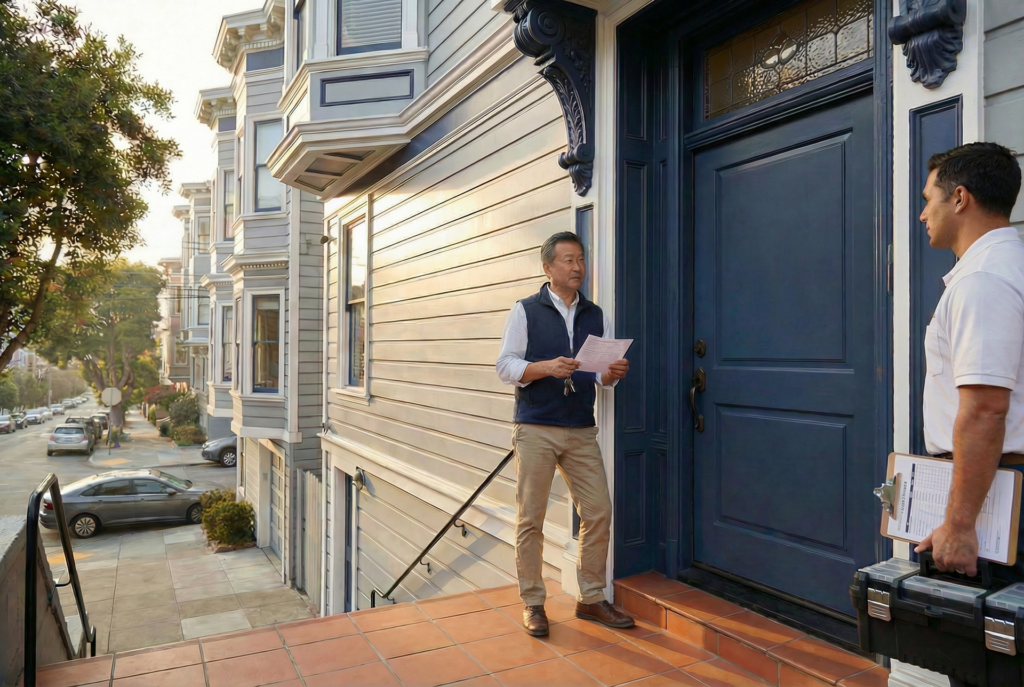
Property maintenance is a normal part of owning and managing rental property. From routine inspections to necessary repairs, landlords often need to access a unit to maintain the property and ensure it remains safe and functional.
However, some San Francisco landlords encounter situations where a tenant refuses to allow entry into the unit. When this happens, even simple maintenance issues can quickly become complicated.
For landlords managing multiple units or older buildings, understanding how these situations typically develop can help prevent repair delays and tenant disputes from escalating.
Why Landlords Sometimes Need Access to a Rental Unit
Landlords may need to enter a rental unit for a variety of reasons. Some of the most common situations include:
- addressing maintenance or repair requests
- responding to plumbing, heating, or electrical issues
- inspecting the condition of the property
- preparing for building improvements or renovations
- investigating reports of leaks or structural problems
In many cases, tenants initially request the repairs themselves. But when communication breaks down or scheduling becomes difficult, landlords may find it increasingly challenging to complete the work.
When Tenants Refuse Entry
Occasionally, a tenant may refuse to allow access to the unit even when repairs are necessary.
This can happen for several reasons. A tenant may feel uncomfortable allowing entry while they are not home. They may be frustrated about an ongoing dispute with the landlord. In some cases, they may believe the repair is unnecessary or that the landlord has not given proper notice.
When a tenant repeatedly refuses access, the situation can create practical and legal challenges.
Repairs may remain unfinished, which can affect the condition of the building. Other tenants may be impacted if maintenance problems spread to neighboring units. At the same time, the dispute can create tension between the landlord and tenant.
How These Situations Escalate
When access disputes continue over time, they can lead to broader conflicts.
A tenant may claim that repairs were never completed, while the landlord may believe the tenant prevented the work from being done. This disagreement can create confusion about responsibility for the condition of the unit.
In San Francisco’s regulated housing environment, maintenance disputes can also intersect with habitability concerns. If a repair issue later becomes part of a larger dispute, the history of access requests and repair attempts may become an important part of the conversation.
Because of this, many landlords take care to document the steps they take when attempting to schedule repairs.
The Role of Documentation
When access to a unit becomes difficult, documentation can help clarify what occurred and when.
Landlords often keep records of:
- repair requests made by the tenant
- dates and times when access was requested
- written communications regarding scheduling
- contractor appointments and service calls
- notices provided to the tenant
These records help create a timeline of the landlord’s efforts to address maintenance concerns.
For landlords managing several units or working with property managers, maintaining clear records can also help ensure that repair issues are tracked consistently across the building.
When Legal Guidance May Be Helpful
Disputes involving access to a rental unit can become complicated, especially when repairs remain unfinished or when communication between the landlord and tenant has broken down.
When these situations continue without resolution, many San Francisco landlords choose to seek legal guidance to better understand their options and responsibilities.
If you are a landlord dealing with a tenant who is refusing entry for necessary repairs, you can call the landlord attorneys at Steven Adair MacDonald & Partners at 415-991-1773 to discuss your situation.
Addressing Repair Conflicts Early
Repair issues are common in any rental property, particularly in older San Francisco buildings. When tenants and landlords work together, most maintenance concerns can be resolved without conflict.
However, when access to a unit becomes a point of disagreement, the situation can quickly become more complex. Addressing the issue early and maintaining clear communication and documentation can help landlords move toward a practical resolution.